Meet our partners

The Samuel Family Foundation is proud to support the transformative work of our partners. 

  • Human Rights Watch Canada
    Human Rights Watch Canada

    Human Rights Watch Canada

    Protecting the rights of the people with disabilities and older people.

    Human Rights Watch Canada advances education of human rights issues, in Canada and around the world. HRW is one of the world’s leading independent organizations dedicated to protecting the human rights of people globally, and the world’s first human rights organizations to create a dedicated team to investigate and expose hidden abuses, advocate for change, and to improve the lives of people with disabilities. HRW upholds a vision of a world where people with disabilities, and older people, are treated equally and included in their communities, fully enjoying their rights. Working with allies in the disability rights community, particularly advocates with lived experience and their respective organizations, the voices of people with disabilities and older people are amplified through HRW’s research, advocacy, storytelling and partnerships.  

    With the aim to protect and defend the rights of people with disabilities and older people, the Samuel Family Foundation is partnering with HRW Canada to advance their strategic goals to promote independent living, and to secure inclusive emergency responses and climate justice so that no person with a disability or older person is left behind. 

  • McMaster University—Faculty of Health Sciences
    McMaster University—Faculty of Health Sciences
    McMaster University—Faculty of Health Sciences

    McMaster University—Faculty of Health Sciences

    Training the next generation of cancer researchers.

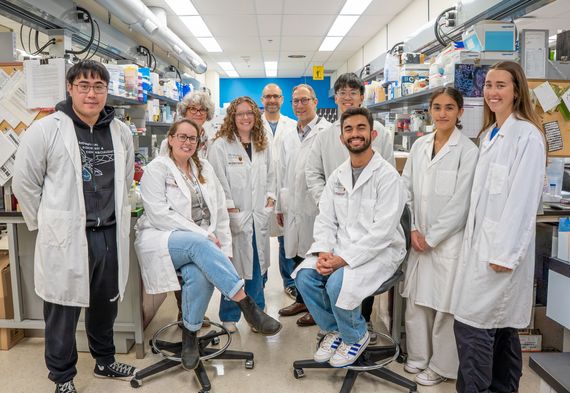
    The Faculty of Health Sciences at McMaster University is the birthplace of problem-based learning and evidence-based medicine. With a focus on interdisciplinary and collaborative learning, combined with high-impact and joint research, Health Science is at the forefront of global health impact. The Bramson Lab, led by Dr. Jonathan Bramson, PhD, Vice Dean, Research of Health Sciences and a Professor in the Department of Medicine, is an affiliated lab of the Centre for Discovery in Cancer Research. The Bramson Lab is focused on developing methods to direct cancer patients’ immune systems to attack their tumors. Specifically, the lab is developing methods to manufacture white blood cell “drugs” that attack cancer. Cells developed in the Bramson Lab have gone from conception to first-in-human clinical testing. The long-term goal of the lab’s work is to increase accessibility of cell therapies to patients in need by reducing costs of manufacturing and production.  

    The Samuel Family Foundation’s partnership with the Bramson Lab and McMaster University supports the exploration of these innovative cancer therapies and the training of the next generation of cancer researchers, who are carrying out research in the laboratory environment alongside their academic studies in Health Sciences at McMaster University.   

  • Partners in Health Canada
    Partners in Health Canada
    Partners in Health Canada

    Partners in Health Canada

    Scaling up community-based psychosocial rehabilitation.

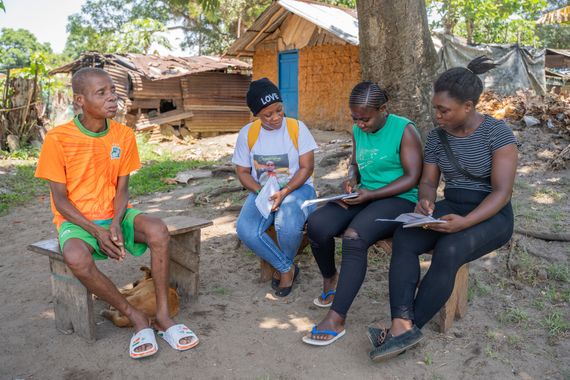
    Partners in Health (PIH) is a non-profit, global health organization that fights social injustice by bringing the benefits of modern medical science first and foremost to the most vulnerable communities around the world. PIH’s approach is fundamentally one of accompaniment. Care delivery starts with community health workers, who support patients and families in remote and rural communities, and, where necessary, link patients to health centers, district hospitals and tertiary care facilities.  

    The Samuel Family Foundation’s partnership with PIH Canada is supporting the scaling-up of community-based psychosocial rehabilitation programming in Rwanda, with the aim to strengthen mental health programming and better promote social connection and patient empowerment in recovery. The program supports the mental health care continuum at the community and facility level, and integrates skill development, social support and empowerment elements that support recovery and social inclusion for people living with severe mental illness.  

  • Misipawistik Cree Nation
    Misipawistik Cree Nation
    Misipawistik Cree Nation

    Misipawistik Cree Nation

    Misipawistik Pimatisimēskanaw (“Life Path”).

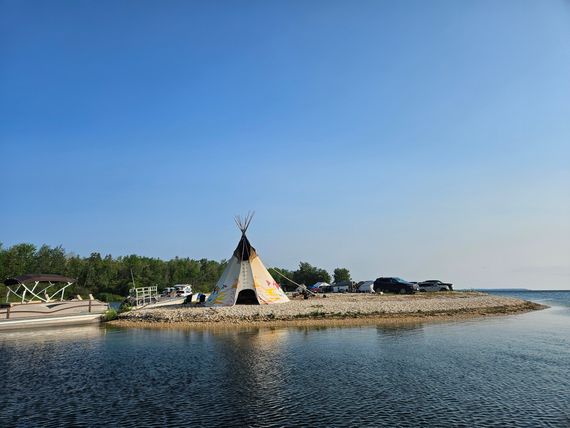
    Misipawistik Cree Nation (MCN) and the town of Grand Rapids are located in Northern Manitoba. The goal of the Misipawistik isihtwawina principles is to ground all activities and decisions in MCN territory in Cree ways of life. This involves combining culture, tradition, and language with modern ideas like governance principles and technology. Misipawistik isihtwawina is based on mino pimatisiwin (good life). To have a good life, one must understand their wahkotowin (relationships) with all living things.  

    The guiding principles for MCN Lands Department work include misipawistik tipwenimisowin (self-determination), wahkotowin (relationships), kehtawenihtamowin (wisdom/old way of thinking), nanakacihta (look after and care for), manacihiwewin (protect) and kanawenihcikemowin (to watch over). Existing and emerging programs that ensure the health and security of MCN’s land, water, and people include the Misipawistik Pimatisimēskanaw (life path) program, Kanawenihcikewak (guardians) program, intergenerational knowledge transfer from elders to MCN Guardians and youth, and integration of connections to land, culture, heritage and language into all aspects of the Lands Department programming.  

  • The Belonging Forum
    The Belonging Forum
    The Belonging Forum

    The Belonging Forum

    Building a global movement for belonging.

    The Belonging Forum envisions a world where everyone can belong, through the experience of meaningful connections to people, place, power and purpose. To achieve this, the Belonging Forum conducts research to understand belonging around the world. The Belonging Forum also convenes governments, businesses, civil society, and the public to combat social isolation and build belonging at all levels of society.  

    The Belonging Forum advances knowledge about what drives belonging and shares insights to shape real-world solutions. The Samuel Scholars in Belonging Fellowship empowers emerging leaders to tackle social isolation and strengthen belonging through research and community-driven solutions. The Fellowship is a catalyst for belonging across sectors and around the world. This immersive opportunity fosters collaborative research, professional development, and real-world impact. Through research partnerships, the Belonging Forum is supporting peer-reviewed social science research on belonging, which can be mobilized to advocate for policies and real-world solutions to foster social connection. 

    The Belonging Forum mobilizes change-makers through events, symposia, and knowledge-sharing to connect individuals and organizations working to advance belonging. From public spaces to digital communities, the Belonging Forum is creating environments that offer dialogue and collaboration grounded in respect and reciprocity.

  • Special Olympics Canada
    Special Olympics Canada
    Special Olympics Canada

    Special Olympics Canada

    Inclusive education through sport.

    Special Olympics was founded upon one simple notion: sport has an incredible capacity to transform lives, change attitudes and make communities stronger. By bringing people together, Special Olympics teaches us to recognize our similarities rather than focusing on our differences. Through the transformative power of sport, Special Olympics is enriching the lives of people with an intellectual or developmental disability around the world. This work includes a sibling and family engagement initiative that engages, educates, and empowers family members of people with intellectual and developmental disabilities to be teachers and advocates of inclusion.  

    The Samuel Family Foundation partnership is supporting the work of the Special Olympics movement to ensure people with intellectual disabilities feel a sense of belonging and inclusion in their communities. Sibling and family engagement initiatives engage, educate, and empower family members of people with intellectual and developmental disabilities to be teachers and advocates of inclusion. Support for Unified Champion Schools drives the objective of greater inclusion in education by bringing together youth with and without intellectual disabilities through shared experiences and sport in schools.   

  • TakingITGlobal
    TakingITGlobal
    TakingITGlobal

    TakingITGlobal

    Indigenous youth leadership and community.

    TakingITGlobal works to facilitate a more inclusive, peaceful and sustainable world through youth engagement programs that empower young people to understand and act on local and global challenges. The Samuel Connected North Leadership Fund supports emerging Indigenous youth leaders to create meaningful change within and beyond their communities, as well as advancing their opportunities for growth, achievement, and employment, whether it's a social entrepreneurship idea or a community service project. Youth grantees receive project mentorship, networking opportunities and connections with peers and professionals, as well as opportunities to share the story of their project to inspire a community of emerging Indigenous youth leaders. The fund is linked to the Connected North program, which fosters social connectedness and educational engagement in remote, Indigenous communities in Canada through live, interactive virtual learning experiences and access to educational resources for Indigenous students and their teachers. 

  • Data-Driven Envirolab
    Data-Driven Envirolab

    Data-Driven Envirolab

    Evaluating the environmental and social inclusion performance of cities.

    The Data-Driven EnviroLab (DDL) is an interdisciplinary and international group of researchers, scientists, programmers, and visual designers using innovative data analytics to distill signals from large-scale and unconventional datasets and developing policy solutions to contemporary environmental problems. Founded and led by Dr. Angel Hsu, Assistant Professor at UNC-Chapel Hill, this academic research lab is helping to train data-minded scholars and leaders in the field of environmental policy.  

    The Samuel Family Foundation’s partnership with DDL is focused on the Urban Environment and Social Inclusion Index (UESI), a first-of-its-kind tool leveraging high-resolution, large-scale data to reveal how cities perform at the intersection of environment and social equity. The objective is to provide data to urban residents, city managers, and policymakers who need to understand their cities’ performance on critical urban environmental issues. The framework focuses on qualifying progress against the Sustainable Development Goals, which aim to make cities inclusive, safe, resilient and sustainable.  UESI addresses questions regarding the spatial and socio-economic distribution of air pollution, the urban heat island effects, urban tree cover, public transportation access, and other environmental factors in a comparable, replicable, and scalable manner. The index highlights knowledge gaps and identifies research priorities that help cities build an evidence-based approach to enhance the equity of urban environmental performance.  

  • Tamarack Institute
    Tamarack Institute
    Tamarack Institute

    Tamarack Institute

    Belonging as a social pathway to ending poverty.

    As a catalyst for change, the Tamarack Institute works with communities to address the deep-seated causes of poverty and put an end to intergenerational poverty, strengthening neighbourhoods, and ending social isolation and polarization. Tamarack facilitates community collaborations and works with communities to cultivate the capabilities of those actively contributing to solutions and creating change with their skills, knowledge, resources, and connections. Community-wide change is brought about by supporting individual changemakers, local place-based partnerships, and regional and national communities capable of shifting regional and national systems.   

    The Samuel Family Foundation has partnered with Tamarack in its work on building belonging through a series of multi-level strategies and collaborations with communities and changemakers across Canada. Communities play a central role in responding to the intertwined challenges faced by society. Supporting people to build the social infrastructure, associations and strategies that are at the heart of well-being in communities is fundamental to community-wide change, shifting regional and national systems and ultimately advocating for a Canada-wide strategy for Belonging that integrates community belonging into discussions about the economy and the quality of life for everyone. 

  • Inside-Out Prison Exchange Program
    Inside-Out Prison Exchange Program
    Inside-Out Prison Exchange Program

    Inside-Out Prison Exchange Program

    Transformative education for social justice.

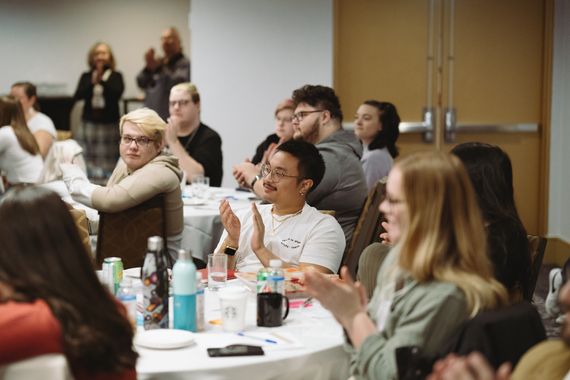
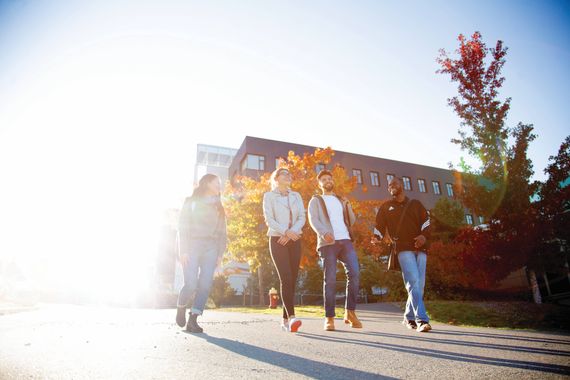
    Based at Vancouver Island University (VIU), the Inside-Out Prison Exchange Program builds social connectedness and supports educational outcomes by placing a human face on justice issues through a powerful learning experience. Prison-based-post-secondary academic courses are offered to groups of both incarcerated students (inside-students) and university students (outside-students) who learn together. The program allows participants to encounter each other as equals, often across profound social barriers. The practice of bringing incarcerated and non-incarcerated people together for engaged and informed dialogue allows for transformative learning experiences that invite participants to take leadership in addressing crime, justice, and other issues of social concern. Inside students are also supported to further their education at VIU to help them step beyond stigma, self-doubt, and advance forward in realizing viable career and life plans. Founded in 1997, the program has been successfully run in over 150 Universities and Colleges in America, with VIU being among the first Universities in Canada to offer the program.  

    The Samuel Family Foundation’s partnership with VIU supports the Inside-Out Program course and additional educational and community-based programming and support for inside students, to further their educational outcomes and to advance forward in their community in realizing viable career and life plans.  

  • Right To Food
    Right To Food
    Right To Food

    Right To Food

    Community spaces for good food, wellbeing, belonging and social justice.

    Right To Food is a national organization transforming the way we address food insecurity through an innovative, dignity-first model. With partners across Canada, Right To Food is creating respective spaces where people can access healthy food, build skills, find community, and advocate for more inclusive public policy. Right To Food’s movement of responsive and effective community food organizations understands that food is never just food: It’s about dignity, well-being, community and justice.  

    The Samuel Family Foundation is supporting the belonging initiatives delivered through the Sumac Community Food Centre in Toronto’s East End, which connect people, build food skills, promote dignity and equity for all.  

  • HelpAge Canada
    HelpAge Canada
    HelpAge Canada

    HelpAge Canada

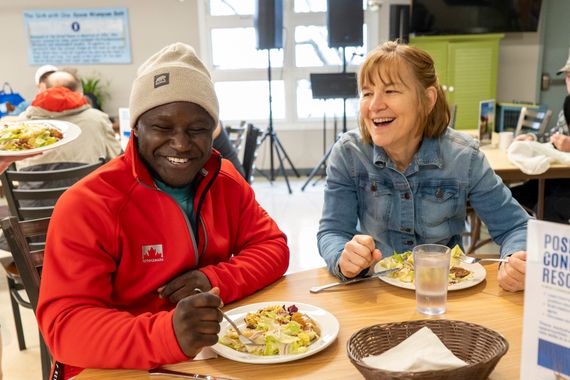
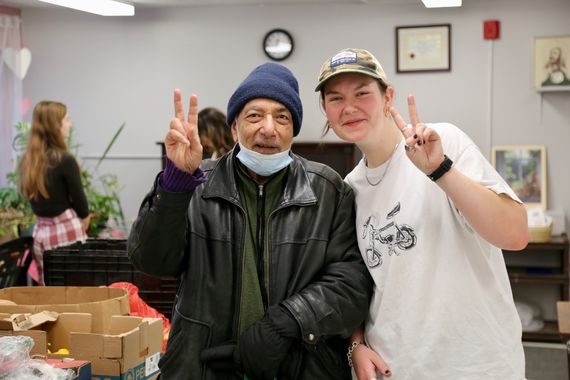
    Strengthening organizations serving the needs of older people.

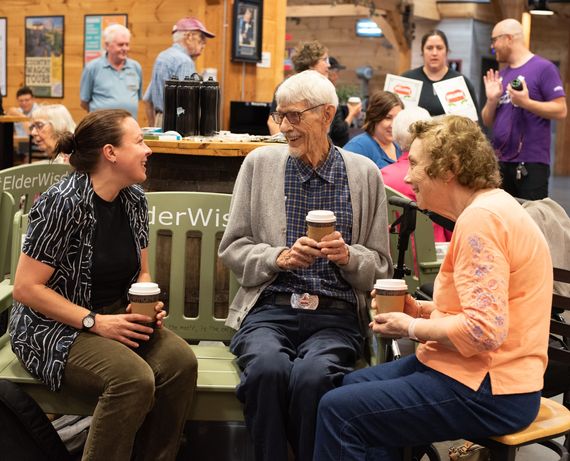
    HelpAge Canada works alongside community-based seniors’ services organizations to deliver solutions tailored to the needs of communities and the older people who live there. HelpAge Canada’s national programs focus on improving the quality of life of older people who have social and economic barriers that often limit their active contribution to society.  

    The Samuel Family Foundation’s partnership with HelpAge Canada supports the Age Better program, which provides community-based seniors’ services organizations with flexible micro-grants. These grants allow them to develop activities and services catered to the particular needs of their communities, which ultimately support older people to age better within their community. The program supports nationwide, regional and local initiatives focused on improving the lives of aging Canadians, currently facing barriers to inclusion. The program also supports the building of a national perspective on the sector to inform best practice, and to shift the narrative about older people to one that celebrates and values the essential role older people play in our society. 

  • Volunteer Canada
    Volunteer Canada
    Volunteer Canada

    Volunteer Canada

    Strengthening intergenerational engagement and community connection.

    Volunteer Canada’s mission is to advance volunteerism, grow connection, community and belonging. Since 1977, Volunteer Canada has acted as the national voice and leadership body for volunteerism. With over 1,100 organizational members, Volunteer Canada works with a diversity of corporate, charity, nonprofit, and education partners across Canada to strengthen the quality, quantity, and accessibility of volunteering.  

    The Samuel Family Foundation’s partnership with Volunteer Canada supports programming centered around intergenerational engagement, as a powerful way to build belonging and create social connection. Connecting younger people and older adults in intentional ways promotes mutual respect, learning, and collaboration through purposeful, community-focused activities, which helps build stronger and more connected communities and improves everyone’s wellbeing. Through research and partnership, Volunteer Canada is building an intergenerational engagement ecosystem that will support individuals, organizations and businesses to re-imagine how they will support engagement, participation and volunteerism throughout someone’s life. This initiative will also support scaling and building high-impact initiatives in local communities.  

  • Friendly Calls Program – The Canadian Red Cross
    Friendly Calls Program – The Canadian Red Cross
    Friendly Calls Program – The Canadian Red Cross

    Making connections one call at a time.

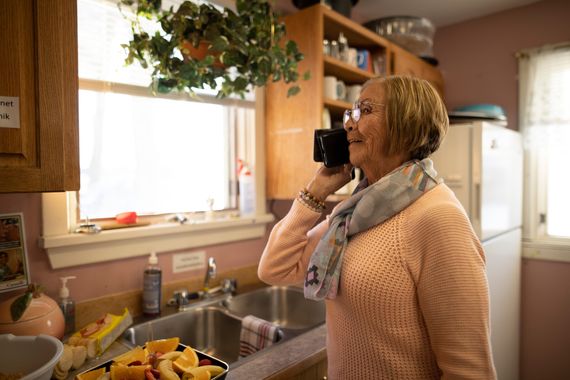
    The Friendly Calls Program is the first national community health program within the Canadian Red Cross, and one of the largest nationally accessible mental health and wellness programs available for free to everyone over the age of 18. The Friendly Calls Program helps to address the impacts of social isolation and loneliness, which evidence shows is linked to long-term health and well-being. The program matches people over the age of 18 with trained Red Cross personnel who provide them with regular check-ins, emotional support, encouragement, healthy coping strategies, and suggestions for well-being resources and other existing services. The program also enhances social connectedness and well-being, with a focus on serving priority audiences at heightened risk of the impacts of social isolation and loneliness, including older adults, Indigenous communities, parents and caregivers.  

  • Nankind
    Nankind
    Nankind

    Nankind

    Caring for the caregivers.

    Nankind aims to lessen the social and emotional impact of cancer on families. Nankind provides evidence-based, personalized support for families with programs that extend to parents, caregivers and their children, throughout the cancer journey. The vision of Nankind is that a parent with cancer can receive the support they need and not face a choice between their care and the care of their children. Nankind’s programming is a response to a gap in cancer care, where many parents with cancer are juggling between being a parent and a patient. Nankind provides critical interventions for children experiencing parental cancer and provides respite to parents with cancer. Through a community volunteer network, referral partners and sponsors, free supportive cancer care is offered to families, lessening the social, emotional and financial impact of cancer care. Programs include in-home childcare with screened, trained childcare volunteers, meal support, therapeutic child play, virtual peer support groups for children and parents, homework clubs, and grief and bereavement support.